Short Article Composed By-Hamrick Grossman
If you're considering vision adjustment options, SMILE eye surgical procedure might be on your radar. This ingenious treatment entails developing a small lenticule in the cornea to deal with nearsightedness and astigmatism. Unlike traditional LASIK, it's much less intrusive and guarantees quicker recuperation. Nevertheless, while there are considerable advantages, there are additionally risks included. Comprehending both facets can help you make an educated decision regarding your eye health. What's the recuperation process like, and what should you expect?
Understanding the SMILE Procedure
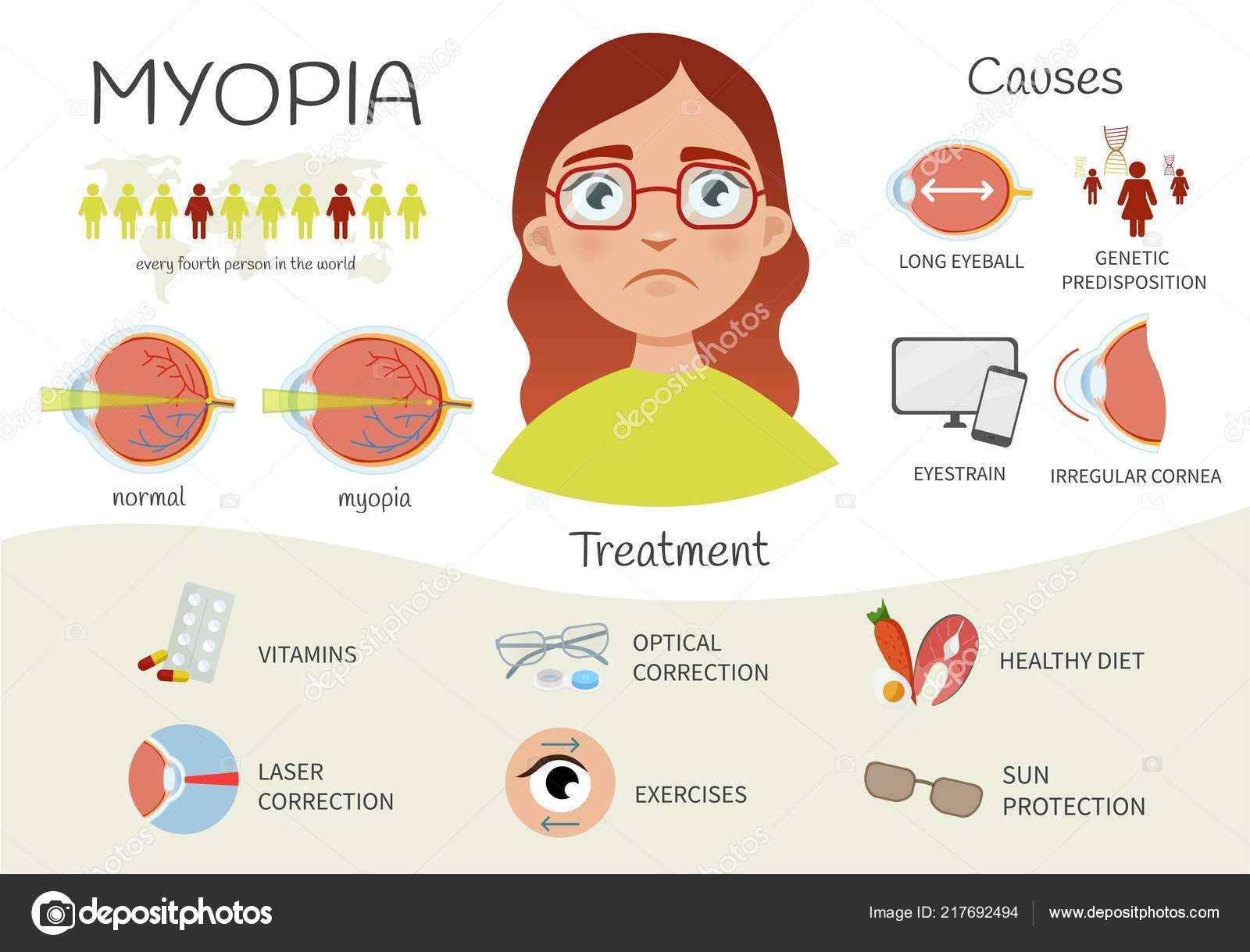
The SMILE treatment, or Little Laceration Lenticule Removal, is a minimally invasive eye surgical treatment developed to deal with vision problems like nearsightedness and astigmatism.
Throughout this treatment, a laser produces a little lenticule, or lens-shaped tissue, within the cornea. You will not require any type of stitches, as the tiny laceration allows for a quick recovery.
The doctor after that gets rid of the lenticule via this small cut, reshaping your cornea to boost your vision. Unlike traditional LASIK, SMILE does not need the creation of a big flap, which can lead to less difficulties.
You'll discover that this strategy is less disruptive to the corneal structure, potentially improving security. Understanding the treatment helps you really feel extra positive as you consider your alternatives for vision modification.
Conveniences of SMILE Eye Surgery
While considering vision adjustment choices, you might discover that SMILE eye surgical procedure uses a number of engaging advantages.
Initially, it's minimally intrusive, calling for just a tiny laceration, which indicates much less disruption to your eye framework. This leads to quicker recovery times and much less discomfort compared to conventional LASIK.
You'll also value its precision; SMILE uses innovative laser innovation to reshape the cornea, providing exceptional outcomes for nearsightedness and astigmatism.
Additionally, lots of people report improved aesthetic high quality, with less instances of glare or halos. Since there's no demand for a corneal flap, your eyes stay much more stable post-surgery.
https://www.today.com/health/smile-surgery-husband-meteorologist-who-took-her-own-life-speaks-t151062 but not least, the treatment commonly takes just a few mins, allowing you to go back to your day-to-day tasks much faster than with other approaches.
Prospective Risks and Recovery Process
Although SMILE eye surgical treatment is typically secure, it is essential to be knowledgeable about possible dangers that can occur during or after the procedure. Some people may experience short-lived negative effects like completely dry eyes, glow, or halos around lights.
In unusual cases, problems such as infection, vision loss, or the need for extra surgery can happen.
Healing generally entails a few days off and preventing exhausting tasks. You ought to follow your cosmetic surgeon's post-operative instructions meticulously, including making use of suggested eye decreases and going to follow-up visits.
Many individuals discover improved vision within a couple of days, yet complete healing can take weeks. Staying client and offering your eyes time to recover is essential for the best end result.
Conclusion
In conclusion, SMILE eye surgery provides a contemporary, minimally intrusive option for correcting nearsightedness and astigmatism. With its quicker recuperation time and decreased pain, it's an enticing option for lots of. However, it's necessary to evaluate the possible risks against the advantages. By staying educated and adhering to post-operative care, you can optimize your possibilities of a successful outcome. If you're considering this treatment, talk to your eye care expert to establish if it's right for you.